When the power goes out in the middle of winter, keeping your family warm becomes the priority. The good news is that emergency heat does not have to start with an expensive whole-house generator.
I like three practical options: a propane heater that needs no electricity, a dedicated backup-power switch for your furnace, and a furnace outlet-and-pigtail setup where permitted. Each has a core heater or component cost below $100 at the prices I paid, but fuel, backup power, accessories, and installation can add to the total.
These options solve two different problems. The propane heater supplies heat directly. The other two let you power an existing fuel-burning heating system when utility electricity is unavailable.
Table of Contents
- Key Takeaways
- 1. Keep a Mr. Heater Buddy Ready for Emergency Heat
- 2. Add an EZ Generator Switch to a Compatible Furnace
- 3. Consider a Furnace Outlet and Pigtail Where Permitted
- Get the Whole Backup Plan Ready Before You Need It
Key Takeaways
- A portable propane heater can provide emergency warmth without electricity when used according to its indoor-use requirements.
- A furnace generator switch provides a backup connection, but still requires electricity and the appliance's normal fuel.
- An outlet-and-pigtail setup is a lower-cost alternative only where manufacturer instructions and local code permit it.
- Equipment prices below $100 do not include every fuel, backup-power, accessory, or installation expense.
1. Keep a Mr. Heater Buddy Ready for Emergency Heat
A portable propane heater is a straightforward backup because it does not depend on your home's electrical service. The smaller Mr. Heater Buddy I tested impressed me with how much heat it put out for such a compact unit.
For a smaller space, this is a handy piece of emergency equipment. You are not trying to power the whole house or run a furnace blower. You are getting heat directly from propane.
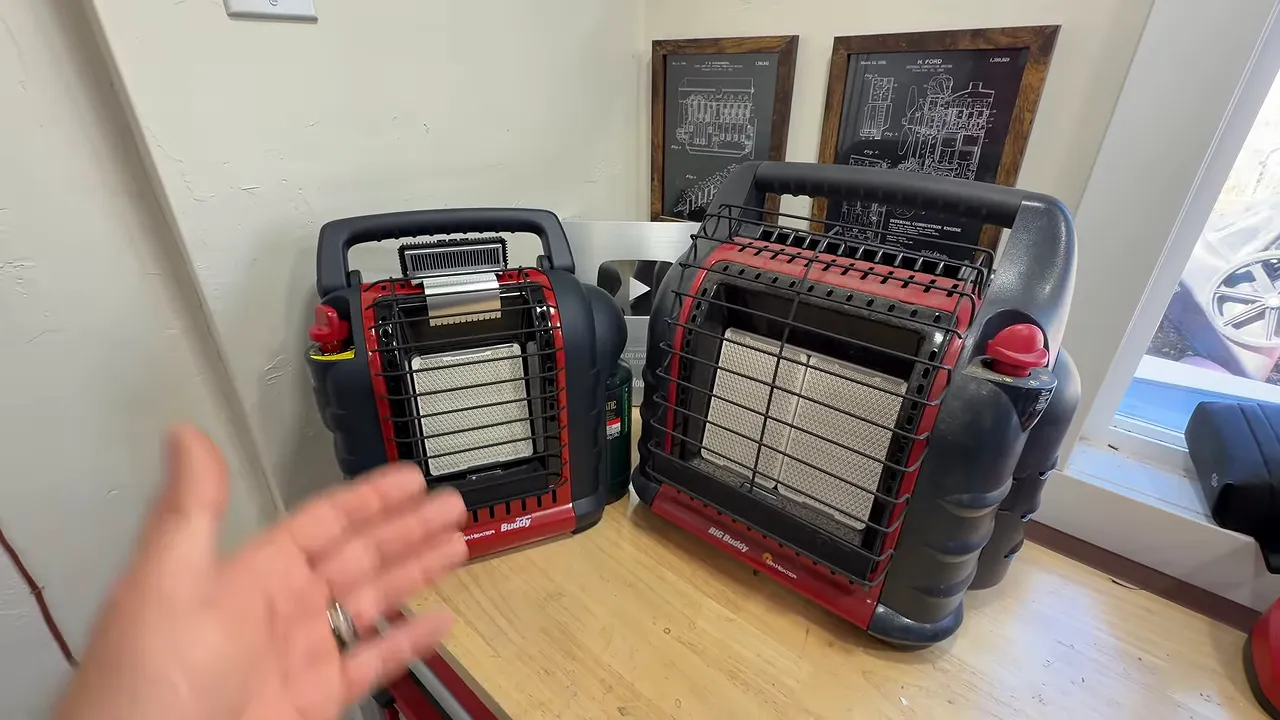
Buddy versus Big Buddy
The two units I demonstrated have different costs and fuel arrangements:
- Smaller Buddy: approximately $89. The demonstrated setup uses one small propane cylinder and fits the under-$100 equipment budget.
- Big Buddy: approximately $150. The demonstrated setup accommodates two small cylinders and offers more heating capacity.
The Big Buddy is outside that budget, but it is worth considering if you need more output. Mine has had plenty of use, and it has been a beast for portable heat.
A compatible larger-cylinder setup can also extend your available fuel supply. For example, the Big Buddy can connect to a 20-pound propane cylinder using the correct separately purchased hose and any other components required by the manufacturer. Keep the larger cylinder outdoors and follow the heater manual for hose routing, connections, and leak checks.
A heat-powered fan can help circulate the warmth
One accessory that really impressed me was the heat-powered Buddy fan. It uses heat from the heater to run its fan, so it does not need an outlet or a separate battery.
The accessory shown fits around the upper part of the smaller heater. After a few minutes of warmup, the fan began moving air, and the airflow became noticeably stronger as the heater heated up.
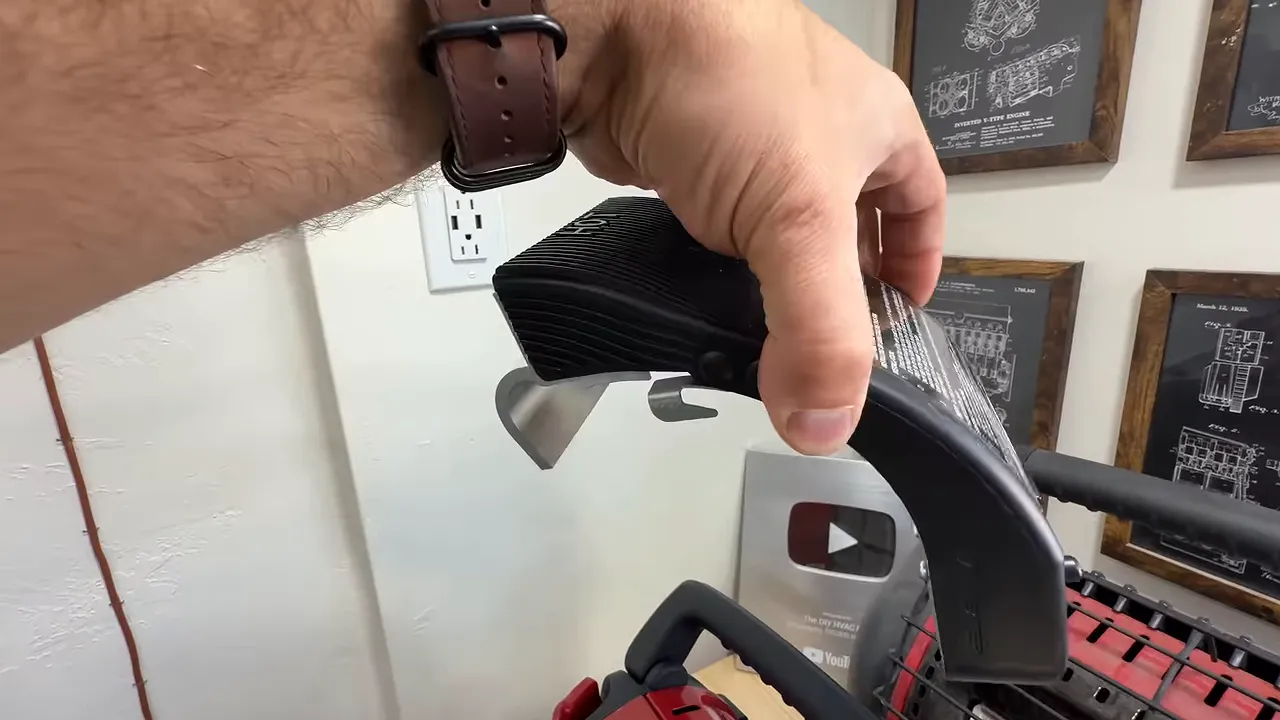
I like the contained arrangement compared with balancing a loose stove fan on a platform near a hot heater. That said, verify that any accessory is approved for your exact heater. A matching shape alone does not establish that an attachment is safe or manufacturer-approved.
Learn the controls before an outage
The lighting controls differ between the two heaters I demonstrated. On the smaller unit, the control moves to the pilot position and is pressed and held while the pilot lights. It needs to remain held briefly before the pilot will stay lit on its own. The larger unit uses a different push-and-turn action.
Use the lighting sequence printed on your exact unit rather than assuming all Buddy models operate the same way. Get familiar with it before you need heat in a cold, dark house.
Indoor propane heat requires precautions
The demonstrated heater has a tip-over shutoff designed to stop fuel flow, including the pilot, if it falls over. That is a useful safety feature, but it does not make a fuel-burning heater risk-free.
- Use only a model specifically approved for the intended indoor application, where local rules permit it.
- Follow the manual's ventilation requirements and clearances from furniture, bedding, curtains, and other combustibles.
- Have working battery-powered or battery-backup carbon monoxide alarms.
- Keep children and pets away, and do not leave the heater operating unattended or while sleeping.
- Keep the protective grille in its intended position.
I also demonstrated how a grille could be repositioned as a warming surface. Do not copy that modification or use a space heater as a cooking appliance. Bending or reversing a guard can compromise its protective function. Only use accessories and applications expressly allowed by the heater manufacturer.
If you want a compact heat source that operates independently of the furnace and electrical grid, the smaller Buddy is the option I would consider first.
2. Add an EZ Generator Switch to a Compatible Furnace
A gas furnace still needs electricity. The fuel supplies the heat, but the blower, inducer, controls, and ignition equipment need electrical power to operate.
That is where the EZ Generator Switch comes in. It provides a dedicated way to supply backup electricity to a compatible heating appliance without powering everything else in the house.
I have had outages here in Salt Lake where the electricity went out but the gas stayed on. In that situation, a furnace backup-power connection can really come in handy.
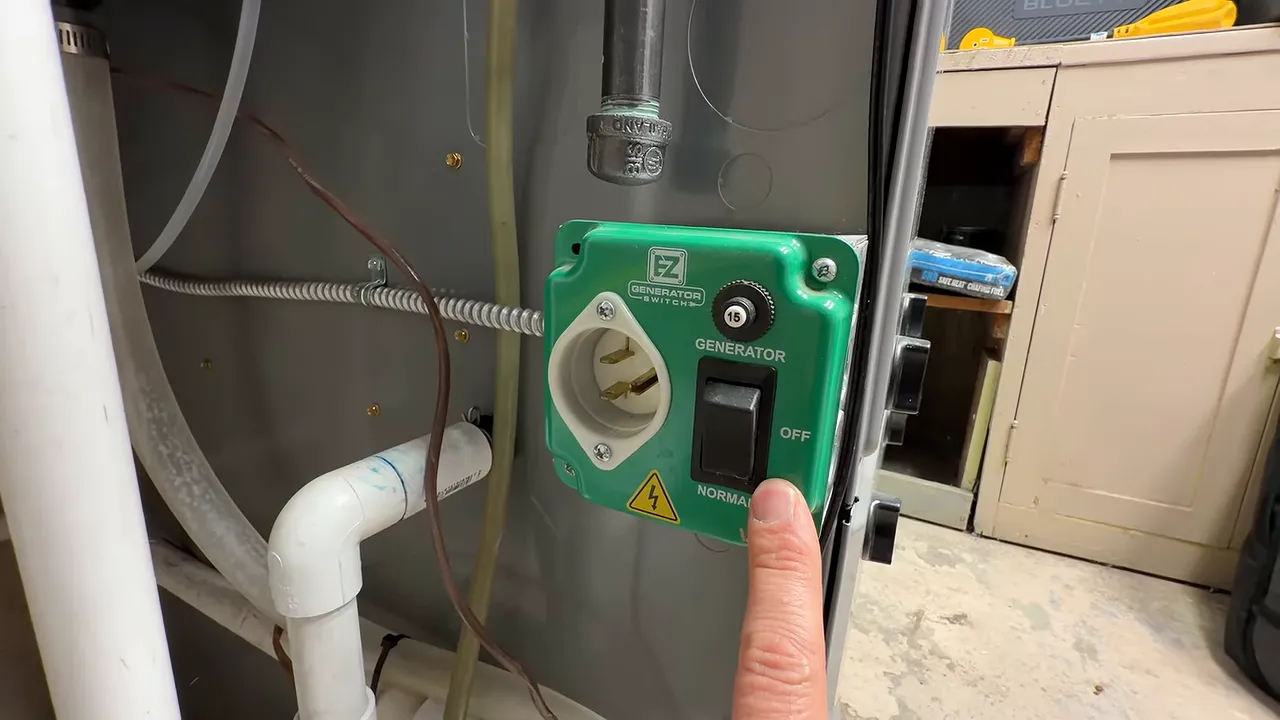
What the switch includes
The unit I demonstrated cost approximately $89 and was made in the USA. It included:
- A built-in 15-amp fuse.
- A three-position rocker switch for selecting the power source or turning it off.
- A nominal 120-volt power inlet.
- A prewired assembly, electrical box, connection hardware, and instructions.
Depending on the installation, an existing electrical box may serve as a junction point, or the supplied box may be used. The important part is a proper installation, not simply making the assembly fit.
Compatibility means more than having a service switch
This approach can apply to some gas furnaces, boilers, and oil-fired heating systems. However, a regular-looking service switch does not automatically make an appliance compatible.
The equipment's voltage, current requirements, wiring arrangement, and manufacturer instructions must match the transfer device. This is not a solution for a typical 240-volt electric furnace or electric resistance heating system.
Have a qualified electrician verify compatibility and install the switch according to its instructions and local code. The instructions address different neutral and grounding arrangements, including bonded-neutral and floating-neutral backup sources. Those details matter for safe operation and for whether the heating equipment will function correctly.
How it works during an outage
In normal use, the furnace receives utility power through the switch. During an outage, you connect an appropriate backup source to the inlet and select the backup-power position, following the manufacturer's operating sequence.
The inlet receives electricity. It is not a convenience outlet for powering other equipment. Properly installed transfer equipment isolates the sources so backup power does not feed into the utility circuit.
There is one big limitation: the switch does not generate electricity. You still need a suitable source, such as:
- A portable generator.
- A battery power station.
- A properly sized and connected vehicle-powered inverter.
You also still need the heating appliance's normal fuel supply. If natural gas service is unavailable, restoring electrical power alone will not make a natural gas furnace heat.
Size the backup source for your actual furnace
The electrical demand of a gas furnace can be much lower than that of electric resistance heat because the fuel does the heating. The blower and inducer account for much of the electrical load.
I used roughly 500 watts or less as a general example, but do not size your backup system around that estimate alone. Actual running demand varies, and startup requirements can be higher. Check your equipment's requirements and confirm the source can start and run it reliably.
A battery power station will run only as long as its usable capacity allows. There is no guaranteed runtime just because the furnace burns gas.
A vehicle inverter is another possibility
A suitable inverter can convert power from a vehicle's electrical system into AC power for the furnace connection. I mentioned inverter options below $100, but that is another component cost, not a complete installed-system price.
Confirm the inverter's continuous output, surge capability, waveform, cables, and connection requirements. Do not assume a small accessory-socket inverter can handle a furnace.
Never run a vehicle or fuel-powered generator inside a garage, even with the door open. Keep exhaust away from the home and its openings. For portable generators, Ready.gov's power outage guidance specifies outdoor operation at least 20 feet from windows, doors, and attached garages.
3. Consider a Furnace Outlet and Pigtail Where Permitted
The third option follows the same basic idea as the generator switch: give the furnace a way to connect to an alternate electrical source. Instead of a transfer switch, it uses an approved receptacle and a cord-and-plug connection, often called a pigtail.
The components I showed cost approximately $20 to $30. That makes it the least expensive connection method here, provided your furnace instructions and local electrical requirements allow it.
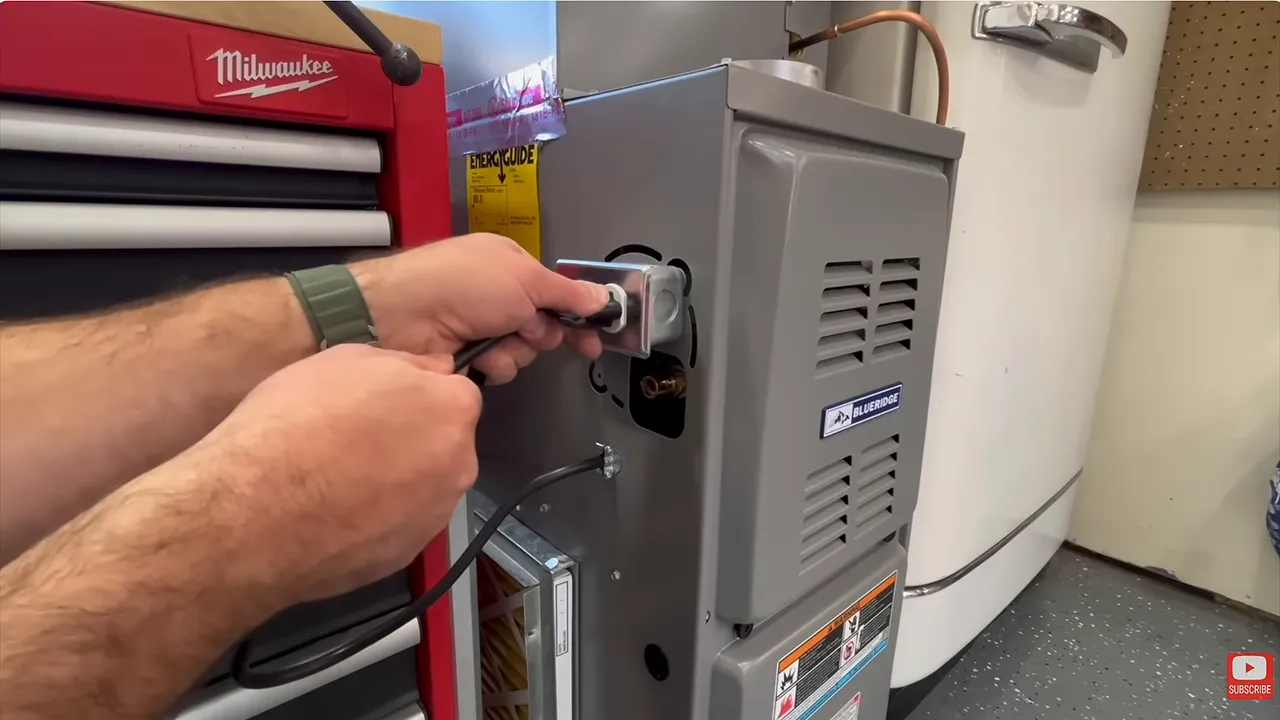
Under normal conditions, the furnace plugs into its dedicated utility-powered receptacle. During an outage, you unplug it and connect its cord to an appropriate backup source using a properly rated extension cord.
That physical unplugging separates the furnace from its normal supply. Never feed generator or inverter power into a household receptacle, and never use a cord with exposed male plugs at both ends.
How it differs from the generator switch
The outlet-and-pigtail arrangement does not include the EZ Generator Switch's built-in fuse or selector. When connected to utility power, the branch-circuit breaker provides circuit overcurrent protection.
Once connected to a backup source, however, the house breaker is no longer protecting that supply path. Suitable protection must come from the backup source and the overall connection design.
This is also not a universal furnace modification. Have a qualified electrician confirm whether cord-and-plug connection is permitted, select the appropriate listed components, maintain grounding and polarity, and meet disconnect requirements. The demonstration is not a complete wiring procedure.
I have seen furnaces installed with this type of connection, and the simplicity is appealing. Where it is allowed and correctly installed, changing power sources becomes a matter of unplugging and reconnecting rather than opening electrical boxes during an emergency.
Get the Whole Backup Plan Ready Before You Need It
The best choice depends on what you want to keep running:
- For heat independent of the furnace: consider an appropriately approved portable propane heater and a safe fuel supply.
- For a dedicated furnace backup connection: consider a compatible, professionally installed generator switch.
- For a lower-cost furnace connection: investigate an approved outlet-and-pigtail arrangement where permitted.
The two furnace connection methods are alternatives, not upgrades you necessarily need together. Neither replaces the need for a properly sized backup source or a working fuel supply.
Get the equipment, confirm compatibility, and test the complete setup before winter weather knocks out the power. A heater without fuel or a furnace inlet without a usable power source is not a finished emergency heat plan.
These can be affordable preparations. The real value is having a safe, tested way to keep your family warm when the lights go out.


