After a winter storm left a lot of people on the East Coast without electricity, I wanted to answer a practical question: How much emergency power can you get for about $200?
I picked up a compact Grecell 300W power station for about $107, including tax and shipping, and paired it with a $95 Zoup 100W solar panel. Both were available through Prime, so getting the equipment was quick and easy.
Then I started plugging things in. Some results were exactly what I expected. Others surprised me, especially when this little battery powered my demonstration gas furnace through ignition and blower operation.
This is not a whole-home backup system. But for small electrical loads, camping, and certain short-term emergency needs, it turned out to be a pretty useful setup. Here is what worked, what overloaded it, and what happened when I recharged it outside.
Key Takeaways
- The setup ran small loads but overloaded on the coffee maker, kettle, and refrigerator compressor.
- My demonstration gas furnace operated successfully, but compatibility and full battery runtime remain unverified for other systems.
- Solar charging raised the battery from roughly 80% to 93% in about an hour of changing weather.
What the $200 Solar Setup Includes
The two main pieces were the Grecell 300W power station and the Zoup 100W folding solar panel. My combined purchase price was roughly $202. Those were my prices at the time, not a guarantee of current pricing.
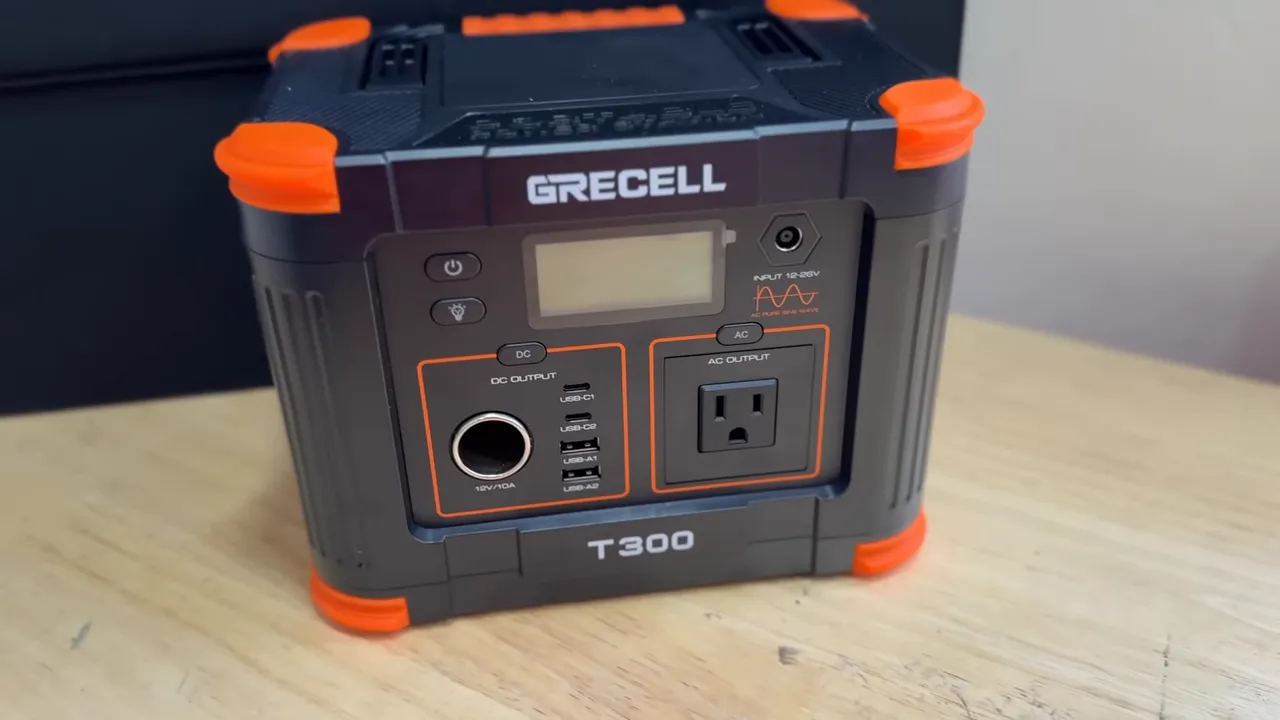
The power station is compact, lightweight, and straightforward. It has a battery display, an emergency light on the side, an AC outlet, USB-A connections, a 60W USB-C port, and a cigarette-lighter-style DC outlet.
It also came with several charging options:
- Wall charger: Charge the battery from household power before an outage or trip.
- Solar connection cable: Connect a compatible solar panel to the charging input.
- Vehicle charging cable: Recharge from a suitable vehicle outlet while traveling.
That flexibility matters during an outage. Solar is useful, but it is not the only way to get energy back into the battery.
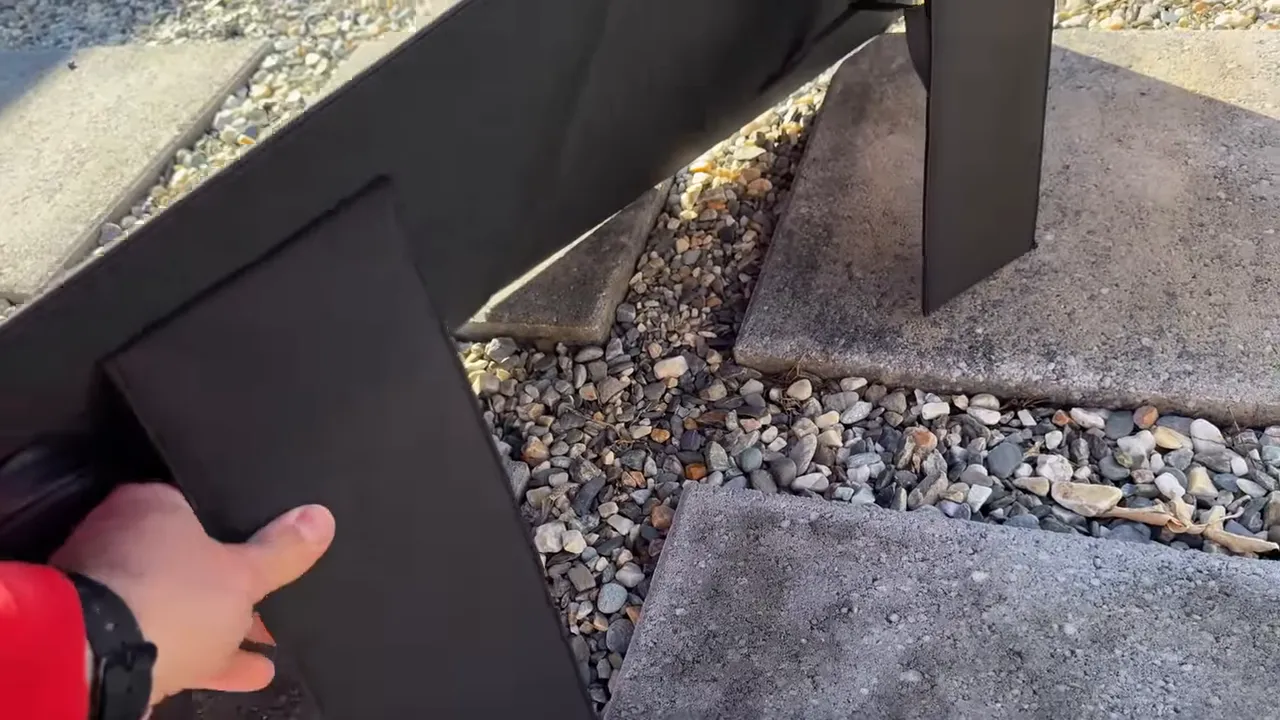
The folding panel has rear support legs so you can aim it toward the sun. It also folds into a portable package with a magnetic carrying handle. I liked how easy it was to move around and load into a vehicle.
Small Appliance Tests: What Worked and What Did Not
I started with the power station at 100% and tested individual appliances through its AC outlet. The important distinction here is between having enough output to start and run something and having enough stored energy to run it for a useful length of time. Those are two different questions.
A household lamp: About 47 watts
The lamp came on immediately and ran without a problem. The display showed approximately 47 watts, which was more than I expected for that particular lamp.
It was a simple success, but also a reminder that even basic lighting can use a noticeable amount of power. The actual lamp and bulb you choose make a difference to how much battery you use.
A coffee grinder: About 100 watts
The coffee grinder worked, too. It drew roughly 100 watts while grinding, and the power station handled the job without shutting down.
That was a great result for a short-duration task. Unfortunately, grinding the beans was the easy part of making coffee.
A coffee maker: Overload shutdown
With the battery around 95%, I tried the coffee maker. It overloaded the power station.
That did not surprise me much. A coffee maker may look like a small countertop appliance, but its heating element needs a lot of electrical power to heat water quickly. Mine is a pour-over-style machine that heats water rapidly, and this little station could not supply what it needed.
An electric kettle: Another overload
The electric kettle produced the same result. The station shut down rather than running it.
Small physical size does not mean small electrical demand. Appliances that turn electricity directly into heat are a poor fit for this setup. I would not plan on using it for an electric space heater or electric strip heat, either.
If hot water is part of your emergency plan, you need a separate, safe way to make it. Never improvise with outdoor combustion equipment indoors, and do not use a cooking appliance to heat your home.
My refrigerator: Lights, but no compressor operation
The refrigerator was another unsuccessful test. The station could supply the interior lights, but it could not handle the compressor trying to start.
I suspected the refrigerator needed more power than this station could provide, but I did not measure its actual startup demand. The useful result is simply that this refrigerator would not run on this power station.
I also would not count on this setup for a microwave. I did not perform a separate microwave test, so that is a limitation to plan around rather than a measured result.
The Fan Test Showed Where a Small Battery Really Shines
After the larger appliances, I tried a small fan. This was a much better match.
- Low speed: The fan ran, but the station initially displayed zero watts.
- Medium speed: The reading rose from about 6 watts to approximately 9 watts.
- High speed: The display showed roughly 15 watts.
A zero-watt reading does not mean the fan was using no energy. It means the display was not registering that small load at that moment.
On high, the fan was moving a good amount of air for only about 15 watts. For summer camping or simply keeping some air moving during an outage, that is a useful application for a battery this size.
The USB-C and USB-A ports also make this a practical option for compatible phones and other small electronics. I did not conduct a timed charging test on those devices, but they are much closer to the intended workload than a kettle or coffee maker.
Could a 300W Power Station Run a Gas Furnace?
This was the test I was most curious about. A gas furnace gets its heat from burning gas, but it still needs electricity for its controls, inducer, ignition system, and blower.
That creates an interesting backup-power possibility: Instead of trying to make heat with a battery, use the battery to operate the electrical parts of a gas heating system.
Connecting through an EZ Generator Switch
My demonstration furnace already had an EZ Generator Switch installed. The switch cost less than $100 at the time and was separate from the approximately $200 battery-and-panel setup.
Under normal operation, utility power passes through the switch to the furnace. In its alternate-power position, the switch allows a connected backup source to supply that furnace circuit rather than the rest of the house.
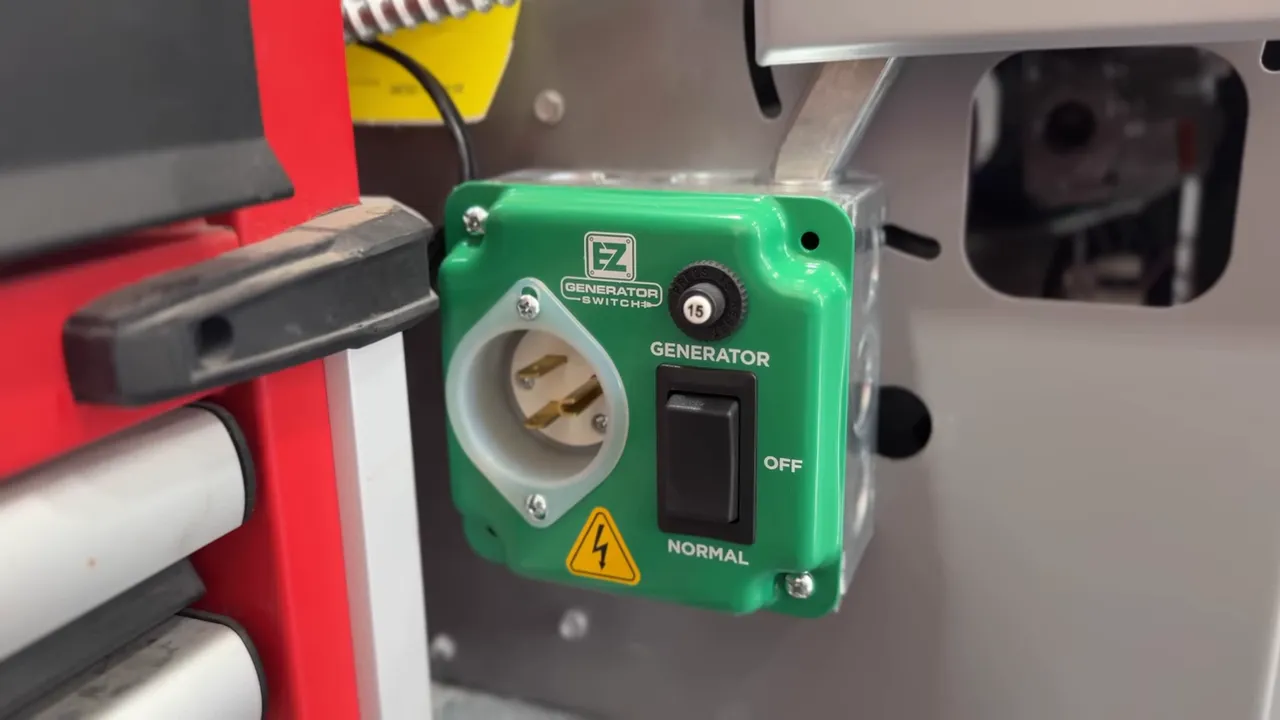
For this test, an extension cord connected the power station’s AC outlet to the switch inlet. After selecting generator power, I raised the thermostat a couple of degrees to call for heat.
This requires a properly installed, compatible transfer arrangement. Have a qualified electrician or HVAC professional verify the installation and backup-source compatibility. Do not connect a power station to household wiring through a wall receptacle or improvised backfeed cord.
The furnace started and the blower ran
The startup sequence went farther than I expected:
- The thermostat called for heat and the inducer started.
- An early reading was around 28 watts.
- During the ignition sequence, I observed approximately 150 watts.
- The burners ignited.
- The main blower started, bringing the displayed load to roughly 320 to 321 watts.
The furnace was producing warm air, with its electrical components supplied by the battery. For such a small, inexpensive station, that impressed me.
There is an important limit to that result, though: It ran my particular demonstration furnace, not every gas furnace. Blower demand and startup requirements vary. The displayed load was also slightly above the station’s advertised 300W rating, so this is not a combination I would recommend relying on without checking the equipment specifications and allowing adequate output headroom.
Combustion safety matters just as much as electrical compatibility. My test furnace did not have permanent exhaust venting installed. Do not reproduce that condition. A gas furnace must have proper venting and combustion air before operation; opening a garage door or windows is not a substitute. The CDC’s carbon monoxide safety guidance is worth reviewing as part of any emergency-heating plan.
What the short test tells us about runtime
At one point during furnace operation, the battery showed about 85%. After approximately five more minutes, it showed about 80%, with the load still around 321 watts.
The station does not provide a remaining-runtime estimate, and I did not run the battery to empty. That means this was a successful operating test, not a verified full-runtime test.
A furnace that cycles on and off could stretch the available charge over more elapsed time than one running continuously. I thought a couple of hours of intermittent use might be possible under favorable conditions, but that was an estimate, not something established by the test.
The practical lesson is to check both output and battery capacity. A watt rating tells you about the load a station can supply. Stored energy, typically expressed in watt-hours, helps determine how long it can supply that load.
Recharging With the 100W Solar Panel
With the battery drawn down to roughly 80%, I took the panel outside to see how much charge it could put back.
The first part of the test was not ideal solar weather, which actually made it useful. Heavy clouds were moving through. Input had been around 20 watts and then fell to approximately 16 watts.
I started tracking the time at about 1:45 p.m.
At approximately 2:48 p.m., about 63 minutes later, the battery display showed 93%. The sun had come out during that period, and the charging input was then around 45 watts.
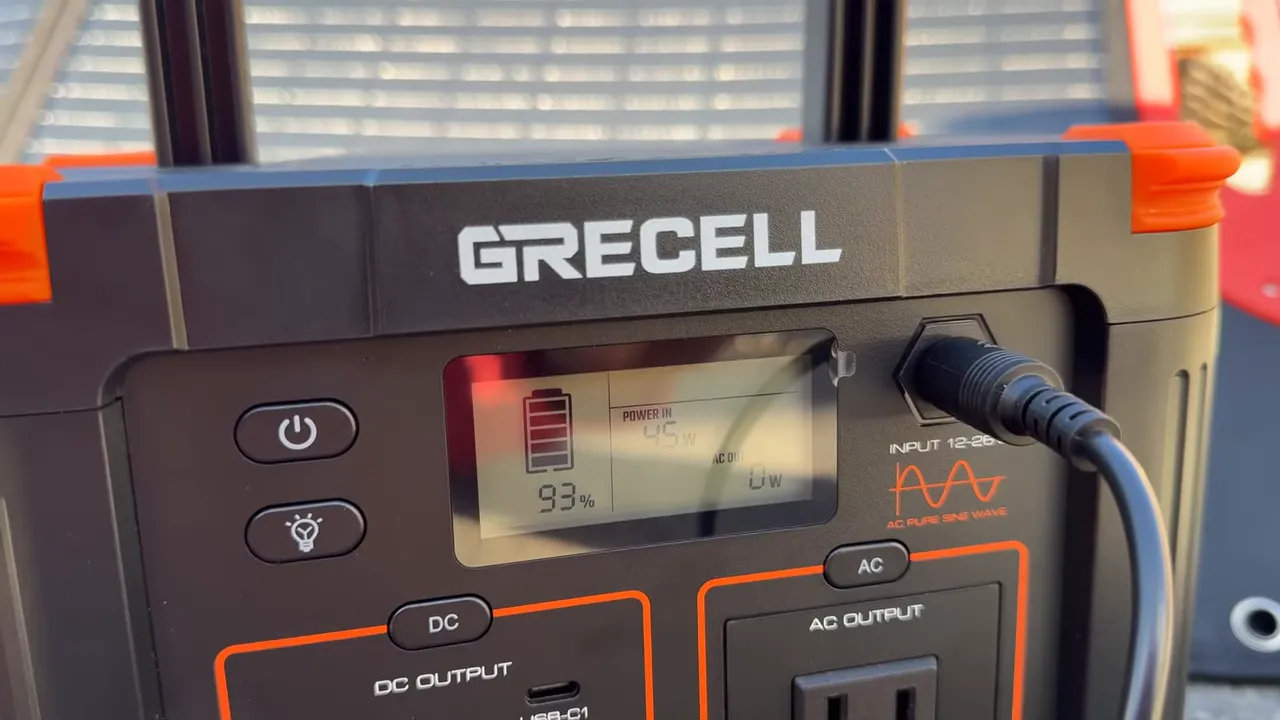
I was happy with that recovery, but it is important to describe it accurately: The panel replenished part of the battery in about an hour. This was not an empty-to-full charging test, and the battery had not yet reached 100%.
A 100W label is not a constant charging rate
The sun was relatively low in the sky, and the input changed with the weather. I expected better output in stronger, better-aligned sunlight and suggested that perhaps 75 to 80 watts could be realistic for this setup. I did not measure that output during this test.
For planning purposes, the actual readings matter more than the panel’s label: roughly 16 to 20 watts under heavy clouds and about 45 watts later in the afternoon sun.
The support legs make it easy to change the panel angle as conditions change.
Direct device charging is a useful extra
The panel also has device-charging ports inside its rear pocket. That gives you another option for charging compatible electronics directly from the panel when sunlight is available, even if the power station is depleted.
That is a handy feature for a portable emergency kit. Just remember that direct solar charging depends on the sunlight available at the time.
My Verdict: Useful Backup Power With Clear Limits
For approximately $200, I think this setup offers good value if your expectations match its size.
It ran my lamp, coffee grinder, and small fan. It provides convenient connections for small electronics, and it recovered a useful amount of charge from the solar panel in mixed weather.
It did not run my coffee maker, electric kettle, or refrigerator compressor. Those failures are just as important as the successes when deciding what to buy.
The gas furnace result was the biggest surprise. Getting through ignition and blower operation showed what a compact battery can sometimes do, but it did not establish universal furnace compatibility or long-duration winter backup.
My bottom line: This is a portable power source for selected loads, not a replacement for a properly sized home backup system. Figure out what you need to run, verify its starting and running requirements, and choose enough battery capacity for the time you need. Within those limits, this little solar setup did more than I expected.


